
The leek genome and its pattern of genetic exchange during reproduction

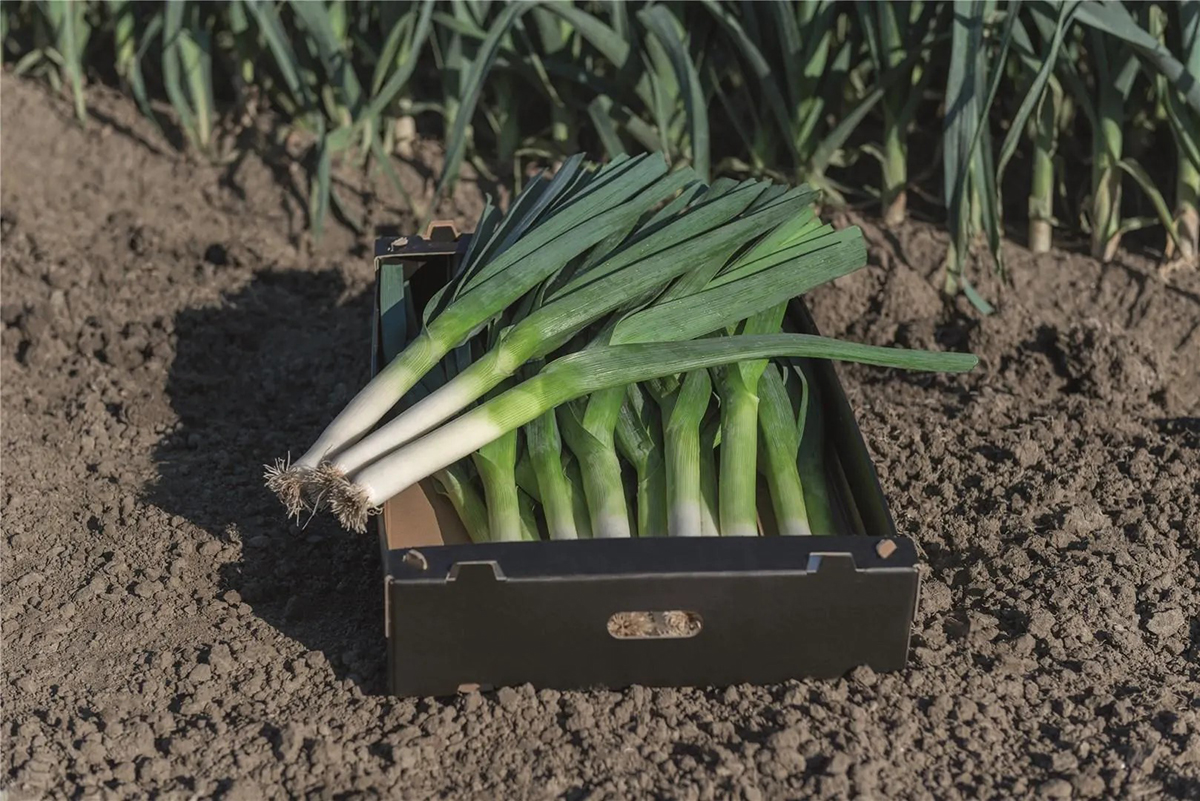
Leek (Allium porrum) is widely grown around the world, and breeders want faster ways to develop varieties that yield well and cope with disease, drought, and variable growing conditions. Clear genetic information makes that work more targeted.
Leek research has lagged behind other crops because its genome is enormous and hard to piece together. Without a complete genome map across whole chromosomes, researchers have struggled to track useful traits and to compare leek properly with its close relatives.
A recent study published in The Plant Genome produced the first reference genome that spans entire chromosomes for leek, covering more than 15 billion DNA letters. The analyses of genetic exchange during reproduction also showed a distinct pattern: Exchanges between parental genomes concentrate near the middle of chromosomes rather than mainly toward the ends as is often seen in related crops, such as onion (A. cepa). Comparisons with closely related onion and garlic (A. sativum) also revealed major structural differences and pointed to a closer relationship between leek and garlic than leek and onion.
The leek reference genome provides breeders with a practical tool to link genetic markers to traits and reduce trial and error. It also shows how genomes changed during Allium evolution; this knowledge will allow for more effective utilization of species in breeding.
Dig deeper
Nieuwenhuis, R., Voorrips, R., Esselink, D., Hesselink, T., Schijlen, E., Arens, P., Cordewener, J., van den Broeck, H. C., Scholten, O., & Peters, S. (2025). High-resolution genome and genetic map of tetraploid Allium porrum expose pericentromeric recombination. The Plant Genome, 18, e70159. https://doi.org/10.1002/tpg2.70159
Text © . The authors. CC BY-NC-ND 4.0. Except where otherwise noted, images are subject to copyright. Any reuse without express permission from the copyright owner is prohibited.